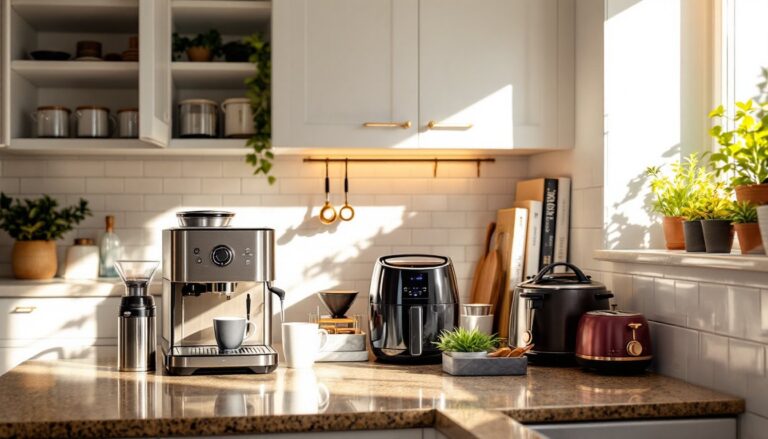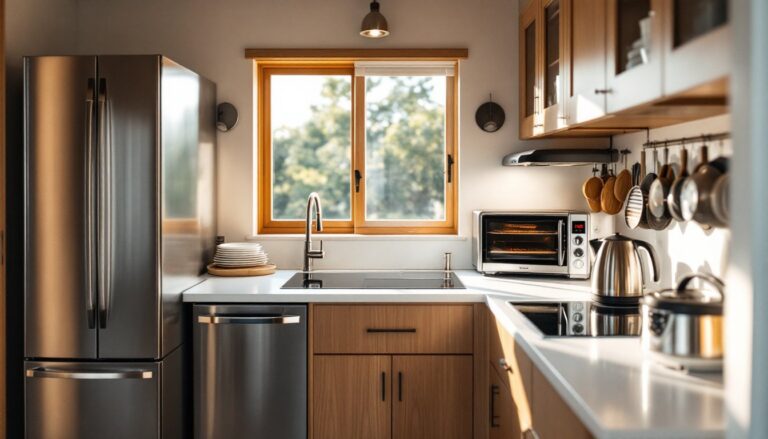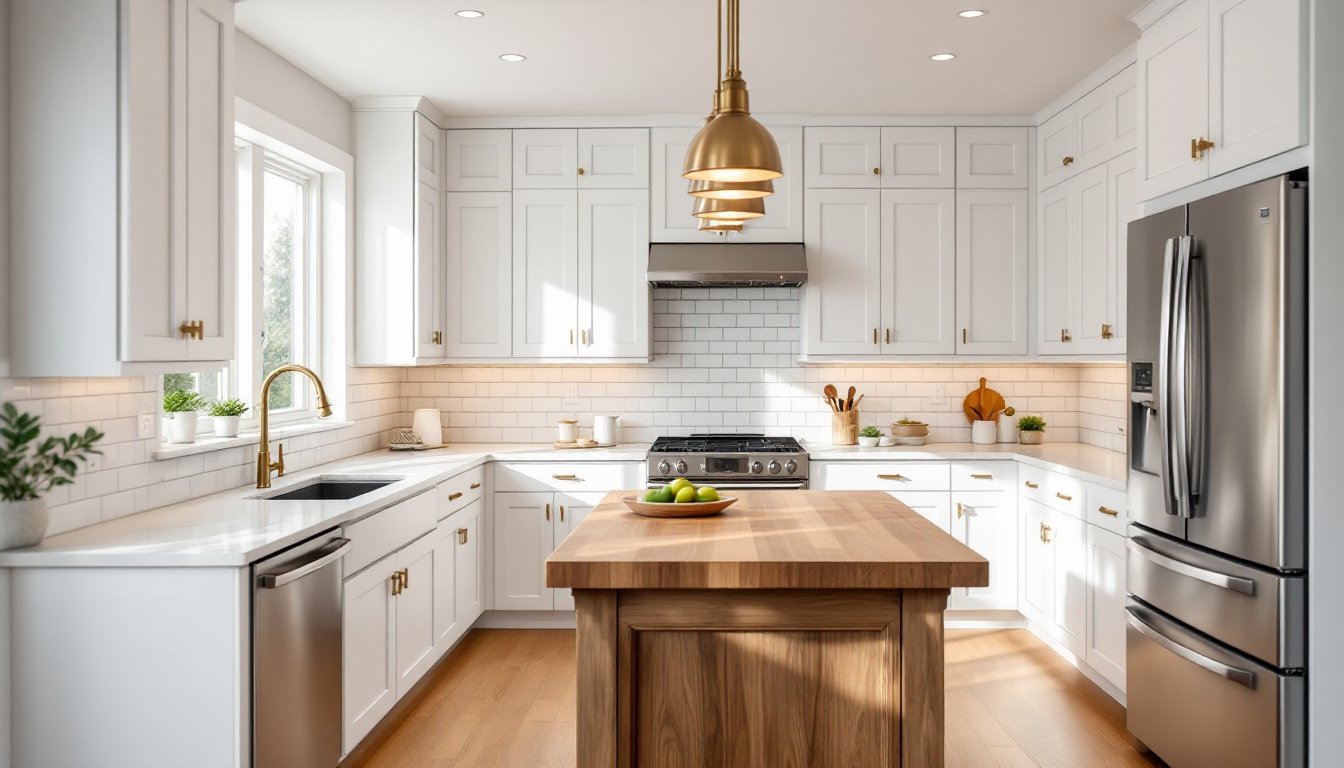
An all-white kitchen has moved from “trendy” to “timeless,” and for good reason. White kitchen cabinets paired with white appliances create a clean, cohesive foundation that works across multiple design styles, from crisp modern spaces to cozy farmhouses. The challenge most homeowners face isn’t whether white works: it’s choosing the right shades, finishes, and supporting elements to make the space feel intentional rather than sterile. This guide walks through the practical decisions that transform white cabinets and white appliances into a kitchen that actually looks and functions like you planned it.
Table of Contents
ToggleKey Takeaways
- White kitchen cabinets with white appliances create a timeless, light-reflecting foundation that works across modern, farmhouse, and transitional design styles while appealing to broad buyer pools for resale.
- Matching white cabinet shades to white appliance finishes is critical—cool whites suit modern aesthetics while warm whites enhance farmhouse charm, and samples should be viewed in your kitchen’s natural and artificial lighting.
- Combat the sterile appearance of all-white kitchens by layering countertops, backsplash patterns, and accent colors through hardware and furnishings rather than large surfaces.
- Invest in durable, wipeable cabinet finishes (satin or semi-gloss polyurethane) since white kitchen cabinets with white appliances show fingerprints and dirt more readily and require consistent maintenance.
- Proper lighting—including under-cabinet LED strips (warm white 2700K), layered task and ambient fixtures, and unobstructed natural light—prevents an all-white kitchen from feeling cold or clinical.
- Soften the monochromatic appearance with warm wood countertops, textured or colored backsplash tiles, matte black or brass hardware, and a painted kitchen island in soft sage, charcoal, or navy.
Why White Kitchen Cabinets and White Appliances Are a Timeless Choice
White cabinetry and white appliances remain popular because they solve real problems. They reflect light, making smaller kitchens feel more spacious and brighter throughout the day. They’re neutral enough to adapt as your taste evolves, swapping hardware, hardware finishes, or backsplash materials doesn’t require ripping out cabinets or appliances.
From a resale perspective, an all-white kitchen appeals to a broad buyer pool. It’s not polarizing the way bold colors or trends can be. Most buyers see white as a blank canvas they can personalize.
Practically, white shows dirt and fingerprints more readily, so you’ll need to commit to wiping down cabinets and appliances regularly. That’s the trade-off for the visual payoff. If your household includes young kids or anyone with a casual cleaning philosophy, expect to build this into your routine or accept a slightly lived-in look.
Design Styles That Work Best With All-White Kitchens
Modern and Minimalist Aesthetics
Modern white kitchens thrive on clean lines, flat-panel cabinet doors, and minimal ornamentation. Pair white cabinetry with stainless steel hardware and sleek white appliances, the uniformity is the point. Under-cabinet or hidden lighting keeps the space functional without cluttering the visual field.
Minimalist kitchens take this further by eliminating upper cabinets altogether or using open shelving sparingly. The goal is visual restraint. White walls, white cabinets, and white appliances create a serene backdrop for your actual cooking.
Farmhouse and Cottage Charm
Farmhouse kitchens embrace white cabinets but soften them with shaker-style doors, beadboard accents, or open shelving displaying vintage dishes. White appliances still anchor the space, but the overall feel is warmer and more lived-in. Pair white cabinetry with warm wood countertops, subway tile, and vintage-inspired hardware to complete the look.
Cottage-style kitchens often feature white cabinetry with a slightly aged or distressed finish, though modern white cabinets can also work if you layer in textural elements, a butcher-block island, open shelves, or woven storage baskets. The personality comes from the surrounding materials and styling, not the cabinet finish itself.
Selecting the Right White Shades and Finishes
Not all whites are equal. Semi-gloss or satin finishes on white cabinets show wear and fingerprints more than matte finishes do, but they’re easier to wipe clean. If you’re committing to white, a durable, wipeable finish (satin or semi-gloss polyurethane or conversion varnish) is worth the extra cost during cabinet construction or refinishing.
When choosing white cabinet paint, look at samples in your actual kitchen lighting, morning light, afternoon light, and evening artificial light all affect how white reads. Some whites skew warm and creamy, others are cool and crisp. Cool whites pair better with modern aesthetics: warm whites suit farmhouse or transitional spaces.
White appliance finishes matter too. Traditional white enamel is classic but can yellow over time, especially on older models. Modern white finishes, including painted steel, porcelain, or composite coatings, hold color better. If choosing between a white and stainless steel appliance, white appliances tend to cost slightly less and match white cabinetry more seamlessly, though they require more frequent cleaning.
Match cabinet white to appliance white as closely as possible. If your cabinets are off-white or ivory, a pure white refrigerator will look jarringly bright next to it. Buy appliances after cabinets are installed or bring a cabinet sample to the appliance showroom.
Countertops, Backsplash, and Accent Colors to Complement White
White cabinets with white appliances creates a monochromatic base, so countertops and backsplash carry the design weight. Light gray or white quartz, marble, or granite countertops extend the clean aesthetic without adding visual clutter. Warm wood countertops (butcher block or walnut) inject warmth and break up an otherwise cool, sterile feeling.
Backsplash is your best tool for adding character. Subway tile is classic and works across styles. Hexagonal, herringbone, or 3×6 brick patterns add movement without overwhelming. If you want more personality, consider textured or colored tile, soft greige, pale blue, or even a subtle geometric pattern, without it feeling like a statement wall.
Accent colors should be introduced through hardware, bar stools, and small furnishings rather than large surfaces. Matte black hardware, brass knobs, or brushed nickel handles define the cabinet style and prevent the kitchen from looking washed out. A kitchen island painted in a soft sage, charcoal, or navy can anchor the space without competing with the white cabinetry.
When sourcing materials, 75 white kitchen ideas from design galleries help visualize countertop and backsplash combinations in context. Resources like Remodelista and The Kitchn offer curated inspiration for pairing white cabinetry with supporting materials that feel intentional.
Lighting Strategies for a Bright, Inviting White Kitchen
Proper lighting prevents an all-white kitchen from feeling cold or clinical. Layer three types: ambient overhead light (recessed or flush-mount fixtures), task lighting under cabinets or above the sink, and accent lighting (pendants over an island or open shelving).
Under-cabinet LED strips are essential. They illuminate the countertop, make white cabinetry glow subtly, and improve functionality during food prep. Warm white (2700K) LED bulbs feel cozier than cool white (5000K), which can feel harsh in a monochromatic space.
Pendant lights over an island or breakfast bar add visual interest and break up the horizontal line of white cabinetry. Choose pendants in warm metal finishes (brass, copper, or gold) rather than chrome or nickel, which can feel too clinical next to pure white.
Natural light matters too. If your kitchen has windows, keep them unobstructed and consider light, neutral window treatments. Sheer curtains or simple wood valances won’t compete with the cabinetry. Consider energy-efficient windows if you’re doing a full remodel, they improve insulation and let more light in.