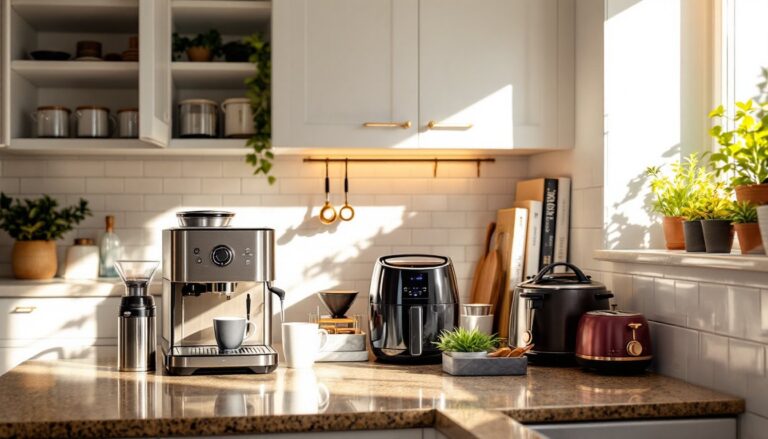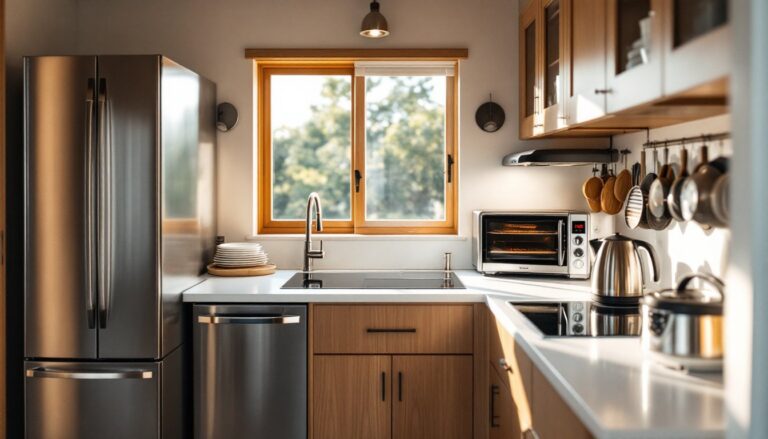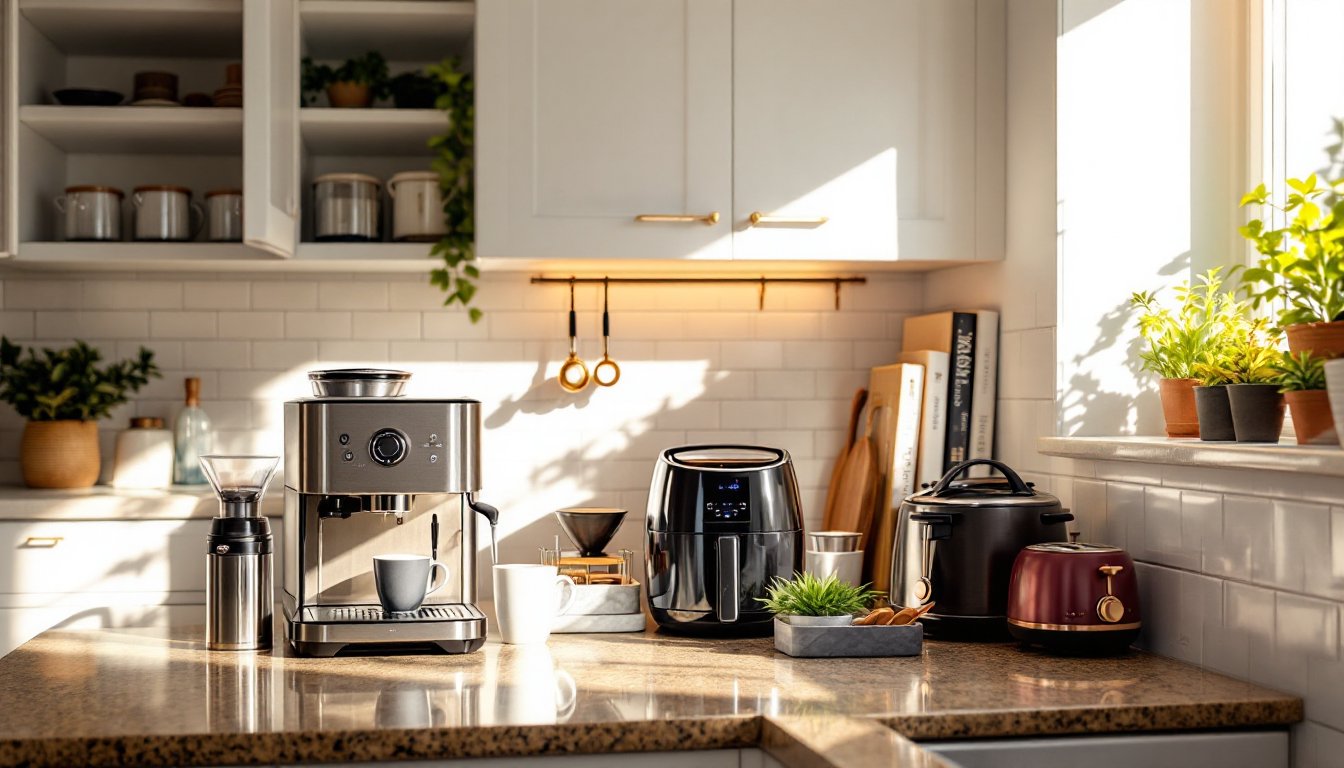
Small kitchen appliances are the unsung workhorses that turn everyday cooking from a chore into something you actually want to do. Whether you’re squeezing fresh juice in the morning, brewing espresso on a weekday rush, or air frying dinner in half the time, the right appliances save time, space, and frustration. But with hundreds of options flooding the market, choosing which small kitchen appliances deserve your counter real estate, and your budget, can feel overwhelming. This guide cuts through the noise to highlight the best performers for 2026, helping you pick appliances that earn their spot in your kitchen and actually get used.
Table of Contents
ToggleKey Takeaways
- The best small kitchen appliances balance functionality, space efficiency, and daily utility—prioritize items you’ll use at least weekly on your counter and store occasional-use appliances in cabinets or pantries.
- Quality small kitchen appliances don’t require premium pricing; mid-range brands like Breville, Instant Pot, and Ninja offer reliability without luxury markups, and buying off-season can save 20–30% on air fryers, espresso machines, and slow cookers.
- Coffee makers, air fryers, and multi-cookers are top performers for 2026; espresso machines should have at least a 15-bar pump for proper extraction, and air fryers work best in 3–4 quart sizes for typical household portions.
- Measure your available counter space and workflow before purchasing—a beautiful appliance that doesn’t fit your layout or interrupt your breakfast routine becomes costly clutter rather than a kitchen hero.
- Regular maintenance like monthly descaling for coffee makers, immediate rinsing for blenders, and post-use cleaning for air fryer baskets extends appliance lifespan and ensures food safety.
- Multi-function appliances with dual purposes (slow cookers with sauté settings or toaster ovens with convection) maximize space efficiency and reduce counter clutter in kitchens with limited real estate.
Top-Rated Small Appliances Every Kitchen Deserves
Coffee Makers and Espresso Machines
A reliable coffee maker ranks near the top of the DIY kitchen hierarchy, it’s the first thing many homeowners turn on in the morning. Single-serve brewers like pod machines deliver speed and consistency, while programmable drip coffee makers keep a full pot ready before you even stumble downstairs. If you’re into craft coffee, a burr grinder paired with a pour-over setup gives you control over grind size and extraction that pre-ground beans can’t match.
Espresso machines come in three tiers: stovetop moka pots (affordable, manual, forgiving), semi-automatic pump machines (mid-range, some milk-frothing capability), and super-automatic models (pricier, but they grind, brew, and froth at the push of a button). For a small kitchen, a compact semi-automatic espresso maker often strikes the balance between features and footprint. Look for models with a 15-bar pump minimum, that’s the pressure needed for proper espresso extraction, and stainless steel components for durability.
When evaluating coffee appliances, consider water capacity, brew time, and cleanup effort. A machine gathering dust because it takes 10 minutes to heat up or requires disassembly after every use isn’t worth the counter space. Small kitchen appliances that sit idle are just clutter.
Air Fryers and Compact Cooking Gadgets
Air fryers have dominated small appliance sales for good reason: they cook faster than ovens, use less oil than traditional frying, and deliver crispier results than most home cooks expect. A 3- to 4-quart air fryer handles most household portions without occupying excessive space. Larger 5+ quart models cook more volume but demand significantly more counter real estate.
Beyond air fryers, compact multi-cookers (like electric pressure cookers with air fry settings) justify their space by replacing 3–4 single-task appliances. A 6-quart model typically handles batch cooking for a family of four. Toaster ovens with convection settings also blur the line between air fryer and full oven, especially if you have limited range space or just want backup cooking capacity.
Other kitchen heroes in the small-appliance category include immersion blenders (handheld, easy to clean, great for soups and smoothies), food processors (1.5–3 cups for basic chopping and mixing), and slow cookers (set it in the morning, dinner’s ready at six). Slow cookers are energy-efficient: they use minimal electricity compared to an oven running for hours.
When selecting any compact cooking appliance, check the wattage and whether it requires a dedicated outlet. Many high-wattage appliances (like air fryers or instant pots) shouldn’t share a circuit with other major loads, this is basic electrical safety, not an upsell.
How to Choose Small Kitchen Appliances for Your Space
Picking the right appliance starts with three honest questions: What do you actually cook? How much counter space can you spare? And how often will you realistically use it?
Measure your available space before shopping. A gorgeous espresso machine gathering dust because it doesn’t fit between the microwave and cabinet is a hundred-dollar mistake. Note the height, depth, and width of the space, including overhead clearance for toaster ovens or other appliances that need it. Compare those measurements against product dimensions in spec sheets, not marketing photos. Manufacturers often shoot from angles that hide real footprint.
Think about workflow, too. If your coffee maker sits on the far end of the counter but your mugs live near the sink, you’ll either make extra trips or resent the appliance’s location. Ideally, place daily-use appliances (coffee makers, toasters) within arm’s reach of where you prep breakfast. Seasonal or occasional-use items (food processors, immersion blenders) can live in a cabinet or pantry shelf.
Consider your cooking habits. Do you batch-cook on Sundays? A slow cooker or pressure cooker earns its place. Do you snack midday? A compact air fryer makes healthier versions of your cravings. Are you perpetually rushed? A small kitchen appliances setup that shaves 15 minutes off meal prep might be worth the counter space. If you rarely use a specific appliance today, a new one won’t change that habit, it’ll just accumulate dust.
Don’t get seduced by features you won’t use. A coffee maker with 12 programmable settings is overkill if you drink coffee the same way every day. Look for solid construction (durable housing, reliable controls), a warranty backing the manufacturer’s confidence, and readily available replacement parts. Some lesser-known brands disappear within a few years, making it impossible to replace a heating element or gasket.
Budget-Friendly Options Without Compromising Quality
Quality small kitchen appliances don’t always mean premium pricing. Many solid performers sit in the $50–150 range, while showy brands charge triple that for marginal performance gains. The key is knowing where to spend and where to save.
Invest in appliances you use daily. A drip coffee maker, toaster, or slow cooker earning daily duty deserves a purchase backed by a multi-year warranty. Mid-range brands like Breville, Instant Pot, and Ninja offer reliability without the luxury mark-up of brands targeting design-conscious buyers who prioritize aesthetics over function.
Save on occasional-use items. A single-use food processor you pull out twice a year doesn’t need professional-grade internals. Budget options from trusted retailers often perform adequately for infrequent jobs. Just check return policies and user reviews mentioning durability, not just initial performance.
Watch for sales patterns. Small appliances follow seasonal pricing: air fryers drop in price after summer barbecue season, espresso machines go on sale around the holidays, and slow cookers dip in spring. Buying off-season can save 20–30%. Don’t chase brand-new models either: last year’s espresso machine with proven durability beats this year’s unproven release with a few slick marketing features.
According to expert reviews of innovative small kitchen appliances, the best value purchases prioritize reliability and warranty support over unnecessary bells and whistles. Look at energy consumption, too, a slightly pricier, more efficient slow cooker or coffee maker pays for itself within a year or two through lower utility bills.
Space-Saving Storage Tips for Your Appliance Collection
Small kitchen appliances breed like rabbits if you’re not intentional about storage. A coffee maker, toaster, blender, air fryer, slow cooker, and food processor can consume your entire counter before you realize it.
The first rule: only keep appliances on the counter that you use at least once a week. Everything else moves to a cabinet, pantry shelf, or closet. Vertical wall-mounted shelving above counters (if local building codes allow) or inside cabinet doors frees up valuable real estate. Outlet strips with surge protection mounted on the backsplash let you plug in seasonal appliances without hunting for outlets.
Use stackable storage containers or pull-out shelves in lower cabinets for less-used appliances. Label and organize by category, all coffee equipment in one spot, all baking gadgets in another. This prevents buying duplicates and makes cleanup faster.
Consider multi-function appliances to reduce clutter. A slow cooker with a saute setting doubles as a pressure cooker in some models. Tiny home kitchen appliances often employ this dual-purpose strategy out of necessity, making them excellent options for anyone battling space constraints. You sacrifice one or two niche features but gain real estate.
For cord management, use adhesive cable clips or velcro strips to bundle power cords against the wall or cabinet back. Coil excess cord neatly, don’t bunch it. This keeps your counter from looking like a cable factory and reduces fire risk from compressed cords near heat sources (like toaster ovens).
Maintenance and Long-Term Care for Small Appliances
Keeping small kitchen appliances in good working order extends their life and maintains food safety. Cleaning isn’t glamorous, but it’s non-negotiable.
Coffee makers collect mineral deposits from hard water, which slows brewing and degrades taste. Descale monthly with white vinegar (run it through a full cycle) or use commercial descaling solution per the manufacturer’s instructions. Rinse thoroughly afterward by running water through two full cycles. For espresso machines, backflush the group head daily if your machine has a 3-way solenoid valve, this removes trapped grounds that would otherwise build up and create pressure problems.
Air fryers need a quick wipe-down after each use. The basket and tray are usually dishwasher-safe, but check your manual. Food residue that hardens creates smoke and off-flavors on your next batch. If grease builds up on the heating coil, it becomes a fire hazard.
Slow cookers should have their ceramic inserts washed after every use. The exterior just needs a damp cloth. Never submerge the electrical housing.
For blenders and food processors, rinse immediately after use. Dried-on food gets stuck and is nearly impossible to remove later. Fill the container halfway with warm water and a drop of dish soap, blend on high for 30 seconds, then rinse and air-dry.
Store all small appliances in a dry location. Moisture corrodes electrical components and promotes mold inside inaccessible crevices. Keep the original boxes if possible, they provide ideal dust-free storage and make moving easier. If you’re storing appliances long-term, unplug them and let them sit in a cool, dry place. Check them monthly to ensure nothing’s nesting inside (especially in dark spaces like slow cooker lids or toaster oven interiors).
Keep warranties and receipts organized in a small file or digitally. Register products online where available, manufacturers sometimes extend coverage or issue recalls. Energy-saving appliances and most modern small appliances carry 1–3 year warranties: know yours so repairs or replacements fall within coverage.