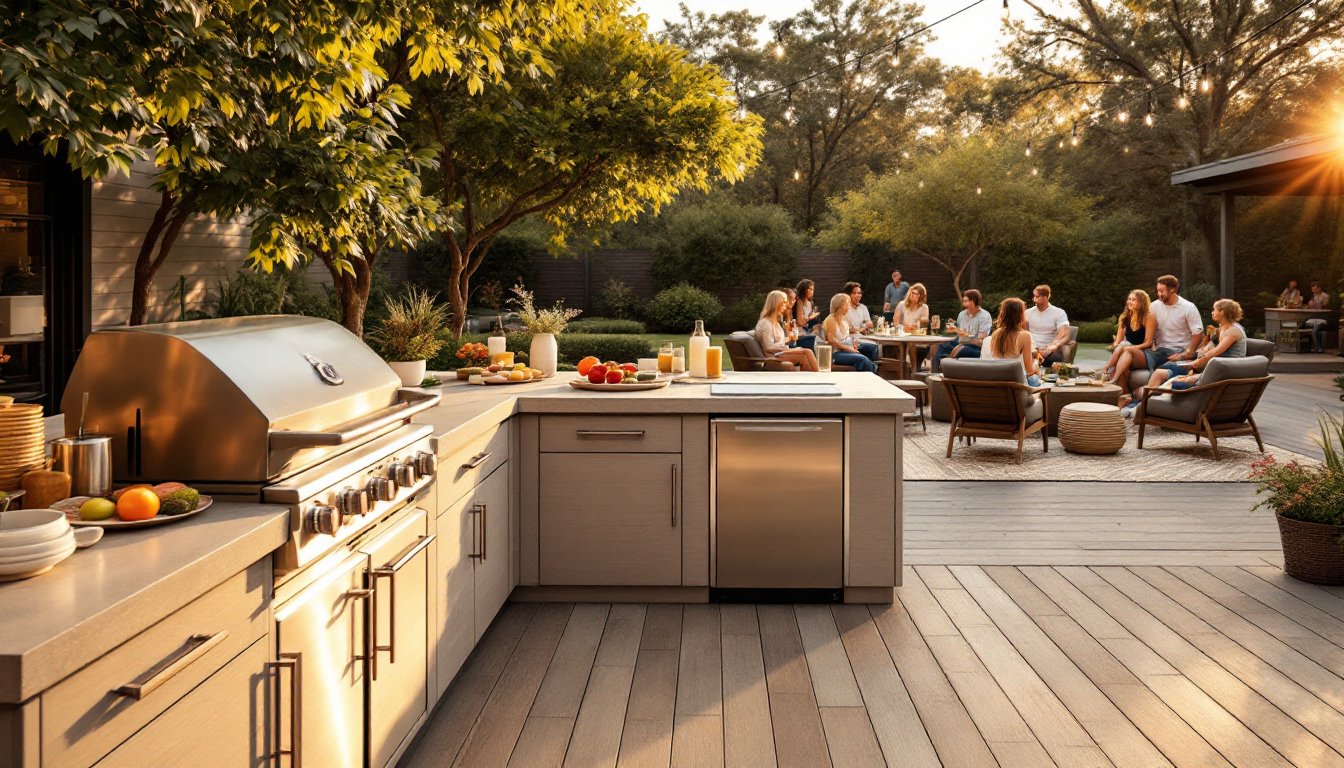
Building an outdoor kitchen transforms your backyard into an extension of your home, a real gathering space, not just a grill station. Whether you’re grilling steaks for the neighbors or prepping a full meal outside, the right outdoor kitchen appliances make the difference between a frustrating experience and something you actually look forward to using. Finding quality outdoor kitchen appliances near you doesn’t require a contractor’s budget or endless shopping trips. This guide walks you through what to invest in, where to find it locally, and how to pick appliances that’ll survive your climate and match your cooking style.
Table of Contents
ToggleKey Takeaways
- Outdoor kitchen appliances are engineered for extreme temperature swings, humidity, and UV exposure, using marine-grade stainless steel and sealed components that standard indoor appliances cannot withstand.
- Start your outdoor kitchen investment with a quality grill, cold storage, and work surface—a reliable mid-range grill ($800–$1,500) paired with a 36-inch undercounter refrigerator and cooler covers most home cooking needs.
- Shopping locally for outdoor kitchen appliances near you offers hands-on product inspection, immediate delivery, and staff expertise on regional climate performance—advantages not available through online-only retailers.
- Plan electrical infrastructure with dedicated GFCI-protected circuits before purchasing to avoid extension cord hazards and fire risks with pellet grills, coolers, and smokers.
- Match appliances to your local climate: coastal areas require stainless steel finishes to fight salt corrosion, while dry climates allow powder-coated steel or aluminum to perform well.
- Homes with functional outdoor kitchens fetch better resale prices and provide years of entertainment value even before considering future buyers—making it both a lifestyle and investment upgrade.
Why Invest in Outdoor Kitchen Appliances
An outdoor kitchen isn’t a luxury, it’s a lifestyle upgrade that pays dividends in entertaining, cooking, and home value. When you’ve got a proper setup outside, you’re not running back and forth to your indoor kitchen hauling platters and condiments. Your guests hang around the food prep area instead of clustering inside by the TV.
Outdoor kitchen appliances are built different from indoor ones. They handle temperature swings, humidity, UV exposure, and salt air if you’re near coastal regions. A standard kitchen fridge can’t handle a 50-degree temperature swing from morning to evening, but outdoor refrigeration units are engineered for that. The same goes for grills, cooktops, and storage, they use marine-grade stainless steel, powder-coated frames, and sealed electrical components.
From a resale perspective, homes with functional outdoor kitchens tend to fetch better prices in markets where entertaining and outdoor living matter. You don’t need a $50,000 installation, but a modest investment in a quality grill, countertop space, and cold storage signals serious outdoor living to future buyers. Plus, you get years of use before any resale conversation happens.
Essential Outdoor Kitchen Appliances to Consider
Grills, Griddles, and Cooktops
Your grill is the centerpiece, but there’s more than one way to cook outside. A traditional gas grill handles steaks and burgers fast, with temperature control and consistent heat. If you want to sear vegetables, cook pancakes, or handle larger quantities, a griddle (flat cooking surface) adds versatility. Some builtin outdoor cooktops combine a grill grate on one side and a griddle on the other, the sweet spot for variety.
Pellet grills and smokers are different beasts entirely. They run on wood pellets, hold temperature for hours with a digital controller, and produce smoke flavor that a gas grill can’t match. The tradeoff: they need electricity, take longer to cook, and require pellet storage. Charcoal grills are the budget option and purist’s choice but demand more attention and cleanup.
When sizing, think about your typical gathering size. A 4-burner grill with 48 inches of cooking surface works for a family plus a few friends. If you’re feeding 20 people regularly, go bigger or plan to cook in batches. Check the BTU output per burner (around 15,000 BTU per burner for decent heat) and whether you can maintain zones (high heat on one side, low on the other).
Refrigeration and Storage Solutions
Where most DIYers stumble is underestimating cold storage needs. You’ll fill a regular outdoor fridge fast, condiments, beverages, prep ingredients, and leftovers. A 24-inch undercounter refrigerator is the minimum: many people wish they’d gone 36 inches. Make sure it’s rated for outdoor use: an indoor unit exposed to temperature swings will fail fast.
Drawer-style coolers and ice chests bridge the gap between a small fridge and a massive builtin unit. They hold ice well, don’t require electricity, and cost way less. For a modest setup, one cooler plus a small fridge covers most needs.
Cabinets and storage designed for outdoor use are essential too. Standard wood cabinetry rots outdoors: outdoor storage solutions use aluminum frames, composite doors, and sealed hardware. Stainless steel cabinets cost more but last decades without rust.
Where to Shop for Outdoor Kitchen Appliances Locally
Shopping locally for outdoor kitchen appliances has real advantages, you see the product in person, get immediate delivery or pickup, and can ask staff about performance in your region’s climate. Here’s where to look:
Big-box hardware stores (Home Depot, Lowe’s) stock basic grills, coolers, and storage units year-round. Prices are competitive, return policies are friendly, and you can grab it same day. Staff knowledge varies, so come prepared with questions.
Specialty outdoor living retailers carry premium grills, built-in appliances, and custom configurations. Prices are higher, but these shops often have display kitchens, better warranties, and installation services. Search “outdoor kitchen showroom near me” to find local specialists.
Appliance stores that focus on indoor kitchens increasingly stock outdoor lines too. They offer financing options and tend to have more knowledgeable sales staff than big-box locations.
Restaurant supply or commercial kitchen distributors sometimes sell to homeowners and offer commercial-grade equipment at fair prices. It’s overkill for most home cooks, but worth a call if you want bulletproof durability.
Before visiting, research models online, read reviews on sites like Good Housekeeping for independent testing, and check locally sourced guides on outdoor living design from publications like Southern Living for regional recommendations. This saves time in the store and gets you focused conversations with sales staff.
Tips for Choosing the Right Appliances for Your Space
Measure twice, buy once. Know your patio, deck, or garden dimensions before shopping. Will the grill fit through gates or doorways? Do you have level ground? Is there access for delivery trucks? An oversized 6-burner grill looks impressive but becomes a regret in a tight space.
Match appliances to your budget and cooking frequency. A casual griller who fires up the grill once a month doesn’t need a $4,000 pellet smoker with WiFi connectivity. Start with a reliable mid-range grill (around $800–$1,500) and add storage and coolers first. The grill tends to outlast everything else anyway.
Consider climate and maintenance. Coastal areas demand stainless steel and sealed finishes to fight salt corrosion. In dry climates, weather damage is less aggressive, so powder-coated steel or aluminum holds up fine. UV exposure fades colors but doesn’t structurally damage appliances, covers help more than worrying. Dtb Home Discount Appliances offers competitively priced options for upgrading outdoor setups without overspending.
Check fuel availability before committing. If you choose propane, verify you have reliable local supply and storage space. Pellet grill owners need to stock pellets and keep them dry. Natural gas lines require professional installation and may not justify the cost unless you’re already running gas to your yard.
Think about electrical needs. Pellet grills, smokers with temperature controllers, outdoor refrigerators, and rotisseries all need reliable 120V outlets rated for outdoor use (GFCI protection per NEC code in most jurisdictions). Installing a dedicated circuit ahead of time prevents extension cord headaches and fire hazards. Maximize Your Cooking Efficiency with Essential Small Kitchen Appliances covers prep and planning principles that translate well to outdoor setups. Resources like Sunset Magazine’s outdoor kitchen design guide show pro layouts and material choices that work regionally.
Conclusion
Finding the right outdoor kitchen appliances near you comes down to honest assessment of how you’ll actually use the space, your local climate, and what cooking styles fit your household. Start with a quality grill, add cold storage and work surface, then expand from there. Shopping locally gives you touch-and-feel confidence and avoids shipping headaches on heavy items. Plan the electrical and infrastructure before the first tool arrives, and you’ll build something that lasts and gets used for years.