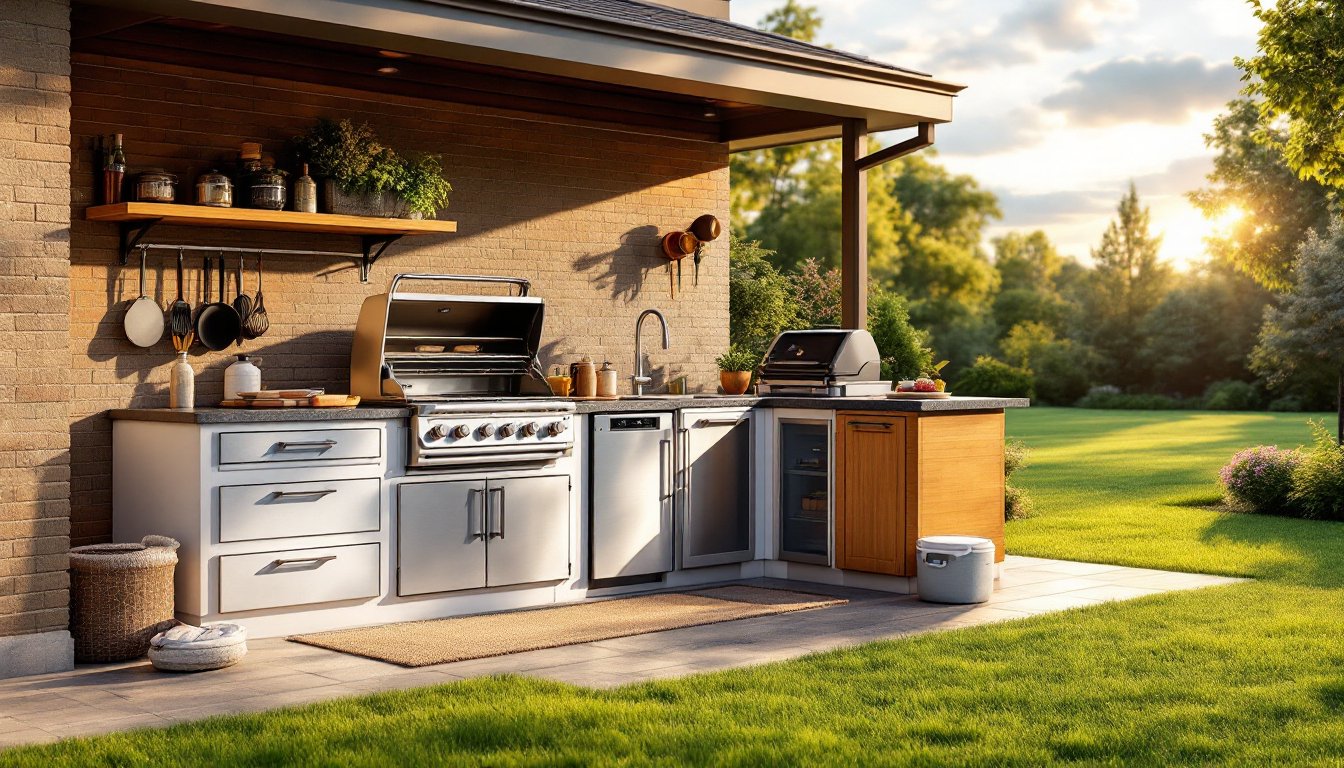
An outdoor kitchen transforms your backyard into a functional cooking and entertaining space that extends your home’s usability for much of the year. Whether you’re hosting weekend cookouts or prepping weeknight meals under the open sky, the right outdoor kitchen appliances make all the difference between a distant grill and a fully operational outdoor cooking station. This guide walks you through essential equipment, selection criteria, and maintenance strategies to help you build a setup that fits your space, skill level, and budget without the marketing hype.
Table of Contents
ToggleKey Takeaways
- Outdoor kitchen appliances reduce the friction of entertaining by eliminating trips between house and patio, while quality weatherproof construction handles temperature swings and extends equipment life to 10–15 years.
- Choose your grill or smoker based on cooking habits: gas grills suit weeknight speed, offset or pellet smokers favor weekend projects, and charcoal or wood-fired options deliver superior flavor for purists.
- Refrigeration and storage solutions like outdoor mini fridges ($300–$600) and marine-grade stainless steel cabinetry keep ingredients accessible without running indoors and prevent rust or wood rot.
- Plan your outdoor kitchen layout carefully, measuring at least 8 feet minimum length for a full setup and factoring in utility line installation costs ($500–$2,000) before purchasing appliances.
- Start with a quality grill and cooler, then phase in additional outdoor kitchen appliances like refrigerators and sinks as your entertaining habits evolve, avoiding impulse purchases.
- Maintain stainless steel surfaces monthly with mild soap, replace rusted grates promptly, check refrigerator seals annually, and cover appliances during off-season to protect your investment.
Why Invest in Outdoor Kitchen Appliances for Your Home
Outdoor kitchen appliances do more than add square footage to your entertaining space, they change how you use your yard. A dedicated outdoor cooking area means you’re not running back and forth between house and patio, spilling food or letting dishes pile up indoors. The appeal goes beyond convenience: outdoor cooking draws people together naturally, whether it’s grilling steaks, smoking brisket, or simply keeping cold drinks close by.
Yet investment in these appliances isn’t just about luxury. Quality outdoor equipment handles weather exposure better than standard indoor appliances, with stainless steel construction, weatherproof seals, and durable racks rated for temperature swings. A built-in outdoor refrigerator, for instance, keeps condiments and beverages at hand without trips to the kitchen, while a dedicated outdoor sink eliminates hauling dishes or preparing ingredients indoors. When designed thoughtfully, outdoor kitchen appliances reduce the physical friction of outdoor entertaining and actually encourage more frequent use of your yard.
Essential Outdoor Cooking Appliances Every Homeowner Should Consider
Grills and Smokers: The Foundation of Outdoor Cooking
The grill or smoker is the heart of any outdoor kitchen. Gas grills dominate for speed and temperature control, a standard 30-inch propane grill delivers 40,000 to 50,000 BTU (British Thermal Units) and preheats in minutes. Charcoal grills offer superior flavor but need longer setup and temperature management. Some homeowners opt for a combination grill that handles both gas and charcoal, though they’re pricier and bulkier.
Smokers are separate creatures. Offset barrel smokers are affordable ($300–$800) and teach solid technique, while vertical water smokers like a 34-inch water smoker ($400–$600) hold steadier temperatures. Pellet grills have surged in popularity, they use wood pellets fed by an auger for consistent heat and smoke, though they require electricity and cost more upfront ($600–$1,500+). Choose based on what you actually cook: quick weeknight grilling favors gas, weekend projects favor offset or pellet smokers, and flavor purists choose charcoal or wood-fired ovens.
Refrigeration and Storage Solutions
Keeping ingredients and drinks cold without running indoors is a game-changer. Outdoor mini fridges (4–5 cubic feet) fit under counters and cost $300–$600: full-size outdoor refrigerators (15–20 cubic feet) run $1,000–$3,000 but require weatherproof cabinetry and power access. Verify that the model is rated for outdoor temperature swings, not all are. A quality outdoor ice maker ($800–$2,000) eliminates ice-run emergencies during parties, though it demands dedicated plumbing and electrical work.
Don’t overlook simple storage: stainless steel drawers, cabinets, and shelving protect ingredients from elements and organize tools. Look for 300-series or marine-grade stainless steel (not 400-series, which rusts faster). Sealed, weatherproof cabinetry prevents wood rot or rust and extends equipment life significantly. Budget $200–$600 per linear foot for quality outdoor-rated cabinetry.
Choosing the Right Appliances for Your Space and Budget
Start by measuring your usable outdoor space honestly. A full outdoor kitchen with grill, refrigerator, sink, and ample counter space requires 8 feet minimum length: smaller setups work with a grill and a moveable cooler. Sketch the layout, noting where electrical, water, and gas lines run (or would run). Professional installation of new utility lines costs $500–$2,000 depending on distance and complexity, factor this into your budget.
Next, match appliances to your cooking habits. If you grill twice a year, a quality portable stainless steel grill ($300–$600) beats a $5,000 built-in. If you smoke meat weekly, a pellet grill’s convenience and consistency justify its premium. Mid-tier outdoor refrigeration ($600–$1,200) pays dividends if you entertain monthly: a cooler with ice suits occasional use. Consider weather patterns in your region too: extreme humidity requires marine-grade stainless steel: arid climates are gentler on equipment.
Budget-conscious homeowners can start with a good grill and cooler, then add sink and refrigeration later. Phased projects spread costs and let you learn what you actually use. An outdoor kitchen design guide from Sunset Magazine offers visual inspiration and practical layouts for various footprints. Avoid financing decisions on impulse, rent or borrow a type of grill before buying.
Maintenance and Durability Tips for Outdoor Kitchen Equipment
Weather is relentless, so maintenance habits determine how long your appliances last. Stainless steel corrodes in salt air and humid climates: wipe down grills, refrigerators, and cabinetry monthly with a microfiber cloth and mild soap. Use a stainless steel polish rated for outdoor use (not standard kitchen polish) every few months in harsh conditions.
Grill grates need cleaning after each use, burnt residue traps moisture and promotes rust. Wire brushes work, but a grill brush with replaceable heads ($15–$30) saves time. For deeper cleaning, soak grates in warm soapy water overnight, then scrub. Replace heavily rusted or warped grates: new ones cost $40–$150 depending on size.
Refrigerators demand proper ventilation, clear vents on sides and back weekly to prevent motor strain. Check door seals annually: cracked rubber lets cold air escape and forces the compressor to work harder. Propane lines need annual inspection for cracks or kinks: call a licensed professional if you spot damage ($100–$200 inspection). Cover your grill and major appliances when not in use for weeks, a fitted grill cover costs $50–$150 and prevents weathering between seasons.
In winter, drain standing water from sinks and lines if you’re in a freeze-thaw climate: ice expansion cracks pipes. Many homeowners shut off outdoor water entirely October through April. Store propane tanks upright in a dry, well-ventilated area away from your house: never store indoors or in hot garages. With consistent care, quality outdoor appliances last 10–15 years: neglect cuts that in half.
Conclusion
Building an outdoor kitchen takes planning, but the payoff is genuine, more time outdoors, easier entertaining, and a yard that works for you year-round. Start with honest assessment of your space, habits, and budget. A solid grill and weatherproof storage beat a half-finished luxury setup. Layer in appliances as you learn what you actually use. Protect your investment with simple seasonal care, and your outdoor cooking space will serve your family for years.