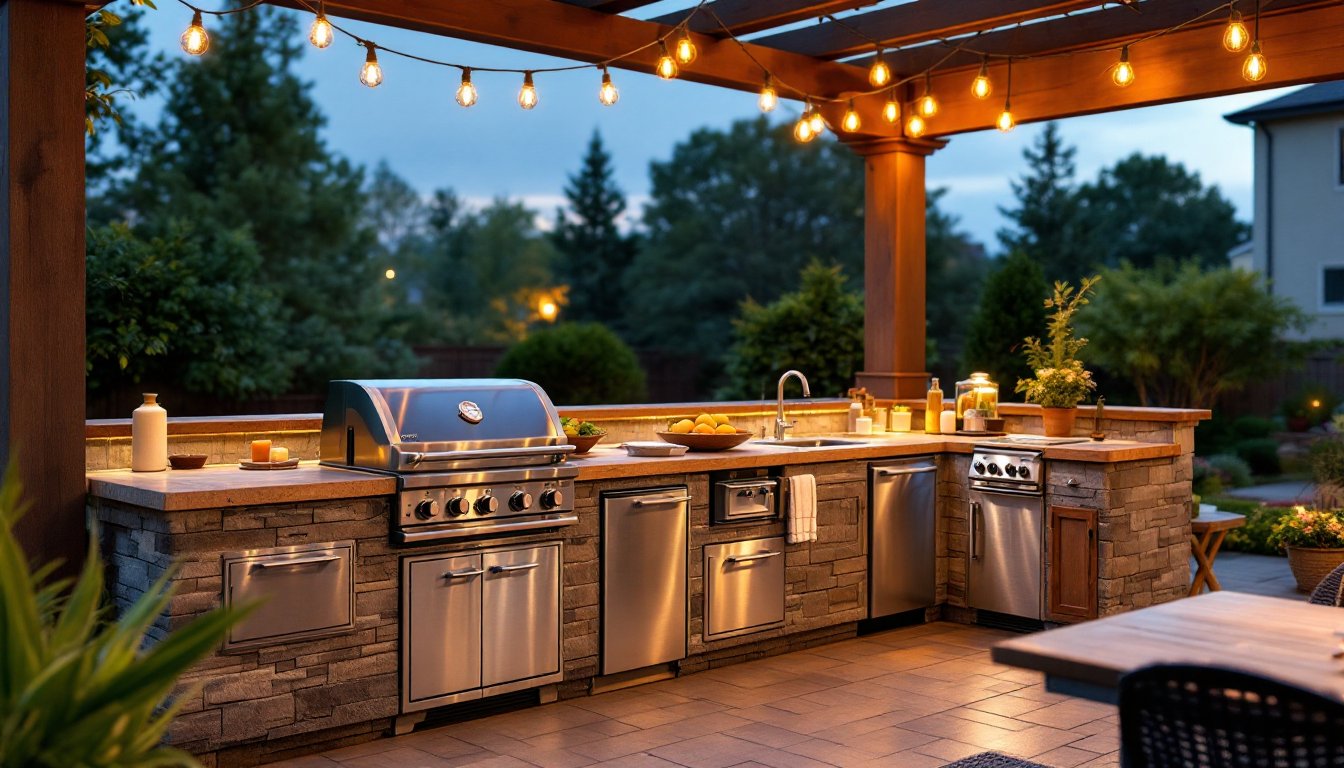
An outdoor kitchen transforms your backyard into an entertainment hub and extends your living space into warmer months. But a few bistro lights and a cooler don’t cut it, you need real cooking muscle. The best outdoor kitchen appliances deliver reliable performance in harsh weather, cook with precision, and last through seasons of back-to-back barbecues. Whether you’re a casual griller or serious entertainer, investing in quality equipment pays dividends in convenience, durability, and food results. This guide walks you through the must-haves and smart choices for building an outdoor kitchen that actually works.
Table of Contents
ToggleKey Takeaways
- Quality outdoor kitchen appliances resist corrosion, UV damage, and temperature fluctuations, lasting years longer than budget alternatives and increasing home value.
- Choose 304 stainless steel and heavy-duty construction over powder-coated finishes—mid-range materials outlast cheaper options and require less maintenance in harsh outdoor conditions.
- Your grill is the foundation of any outdoor kitchen; prioritize proper size (3–6 burners), even heat distribution, and durable grate materials like cast iron or stainless steel.
- Gas grills offer convenience for weeknight cooking and entertaining, while charcoal grills deliver superior flavor—serious outdoor chefs often invest in both for maximum versatility.
- Include outdoor refrigeration (4–8 cubic feet), side burners, storage solutions, and specialized appliances like smokers or pizza ovens to expand your cooking capabilities and entertaining options.
- Protect your investment with proper material selection, seasonal maintenance, and strategic placement under pergolas or sheltered areas to maximize durability and longevity.
Why Invest in Quality Outdoor Kitchen Appliances
Cheap outdoor equipment rusts, fails, and leaves you grilling on a corroded mess by year two. Quality appliances resist salt spray, UV damage, and temperature swings that indoor kitchens never face. A well-built grill or refrigerator holds its value, cooks more evenly, and requires less maintenance.
Outdoor kitchens also increase home value and usability. Buyers notice a functional outdoor space, and you’ll actually use a kitchen that’s comfortable and equipped. You’ll cook more, entertain more, and avoid the frustration of equipment failures mid-season.
Budget matters, but treat it as an investment in longevity, not just upfront cost. Mid-range stainless steel holds up better than bargain powder-coat finishes. A $1,500 grill that lasts eight years beats a $400 unit that fails in three.
Essential Grills: The Foundation of Your Outdoor Kitchen
Your grill is the centerpiece. It’s where most cooking happens, so choose wisely. Look for heavy-duty construction, cast aluminum bodies or 304 stainless steel (better than 430 stainless for salt resistance). Thin metal warps and dents under outdoor abuse.
Grate material matters too. Cast iron holds heat beautifully but needs seasoning. Stainless steel or porcelain-coated steel resists rust and cleans easier. Avoid thin chrome: it degrades fast.
Size should match your space and entertaining style. A compact 3-burner grill (roughly 36 inches wide) suits a small deck and occasional grilling. A 4 to 6-burner unit or larger island model handles frequent cookouts and fits a proper outdoor kitchen layout. Consider build-ins versus freestanding: built-in units integrate into custom counters but cost more and demand proper ventilation and clearances per local fire codes. Freestanding grills offer flexibility.
Thermostat accuracy and heat distribution affect results. Mid-range to premium models have better burner design and insulation for even cooking. According to design guidance for outdoor kitchens, proper appliance selection sets the tone for the entire space.
Gas vs. Charcoal Grills: Making the Right Choice
Gas grills ignite instantly, heat evenly, and require minimal cleanup. They’re the go-to for weeknight cooking and larger gatherings. Natural gas (if available) eliminates propane tank swaps: otherwise, a propane tank tucked beside the grill works fine. Gas is convenient but lacks the smoky flavor die-hards crave.
Charcoal grills deliver deeper flavor and reach higher sear temperatures. They’re forgiving with temperature swings and iconic in appearance. The tradeoff: they take 15–20 minutes to preheat, demand more attention during cooking, and leave ash cleanup. Charcoal also adds ongoing fuel costs.
Many serious outdoor chefs choose both, a gas grill for daily cooking and a charcoal smoker or kettle grill for weekend projects. If space allows, this combo covers all bases.
Refrigeration and Storage Solutions
An outdoor refrigerator keeps drinks cold, stores prepped food, and eliminates trips inside. Look for units rated for outdoor use, they have better insulation and compressors designed for temperature swings. Built-in models slide under countertops: freestanding units sit standalone.
Capacity depends on entertaining frequency. A 4–5 cubic-foot undercounter fridge suits occasional use: 6–8 cubic feet handles regular entertaining. Stainless steel resists weather better than painted finishes. Check the hinge direction, left or right swing affects traffic flow around your kitchen layout.
Ice makers save effort during parties. If your grill island includes a wet bar or serving area, an ice maker is nearly essential. Factor in water line installation if you want an automatic maker versus a standalone unit.
Storage drawers and cabinets complement refrigeration. Stainless steel or powder-coated steel drawers hold grilling tools, napkins, and serving ware. Built-in coolers or beverage centers occupy less visual space than standalone fridges and integrate seamlessly into custom islands. Small kitchen appliances solutions offer ideas for similar space efficiency in compact kitchens that apply to outdoor layouts too.
Cooking Accessories and Specialized Appliances
Beyond the grill, secondary appliances expand your cooking range. A side burner (single or double) handles sauces, sides, and water for pasta or corn without hogging grill space. Most are powered by the same propane or natural gas line as the main grill.
Smokers and pizza ovens are specialty pieces. Offset barrel smokers excel at low-and-slow cooking for ribs and brisket. Built-in wood-fired pizza ovens anchor high-end outdoor kitchens but demand ventilation and clearance from structures (typically 10–20 feet per fire codes). Pizza oven inserts for existing grills offer a compromise.
Power burners and wok stations suit Asian cooking or high-heat applications. Steamers and warming drawers keep food hot during service. An outdoor sink with hot and cold water simplifies cleanup and prepping. Ensure water lines are buried below frost line or drained seasonally in cold climates.
Rotisserie attachments fit most grills and add drama for roasting chickens or whole cuts. They run on either electric motors or motorized spits powered by the grill’s gas.
Resources like Good Housekeeping’s appliance reviews test gear rigorously and offer guidance on lesser-known outdoor cooking tools that multiply your options beyond basic grilling.
Material Durability and Weather Resistance
Material choice determines how long your investment lasts. 304 stainless steel is the gold standard, it resists corrosion far better than 430 stainless in salt and humid climates. If you’re near the ocean or in a harsh environment, don’t cheap out here.
Cast aluminum is lighter, durable, and less expensive than stainless steel. It’s fine for most climates but less impressive in marine settings. Powder-coated steel looks sharp initially but chips and rusts under moisture exposure. Avoid it for frequently cleaned surfaces.
Coatings matter as much as base material. Epoxy or ceramic-based finishes outlast thin paint. Check rust warranties, reputable makers guarantee 5–10 years against rust: knockoffs often have no warranty at all.
Sealing and maintenance extend life. Stainless steel benefits from occasional wax or oil treatment, especially in humid areas. Covers protect equipment during off-season storage, though they trap moisture if not ventilated. Leave grill vents uncovered for airflow.
Location affects durability. A sheltered patio outbuilding protects gear better than full-sun exposure. If your outdoor kitchen sits under a pergola or roof, appliances last longer than those in open sun and rain. Stainless steel dishwashers demonstrate the longevity benefits of premium material choices, a principle that carries directly to outdoor appliances.
Conclusion
Building a functional outdoor kitchen comes down to choosing reliable appliances matched to your cooking style and climate. Start with a quality grill, add refrigeration, and expand with secondary equipment as budget and space allow. Prioritize stainless steel and heavy-duty construction, the upfront cost pays back in durability and satisfaction. Your outdoor kitchen will reward you with years of entertaining, relaxation, and meals that taste better eaten outside.