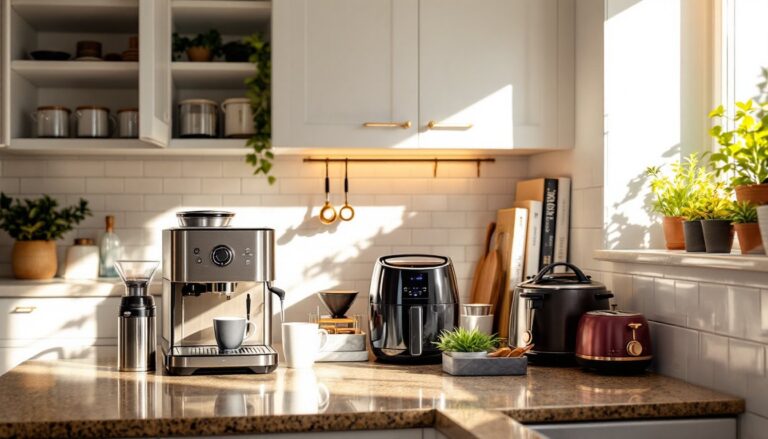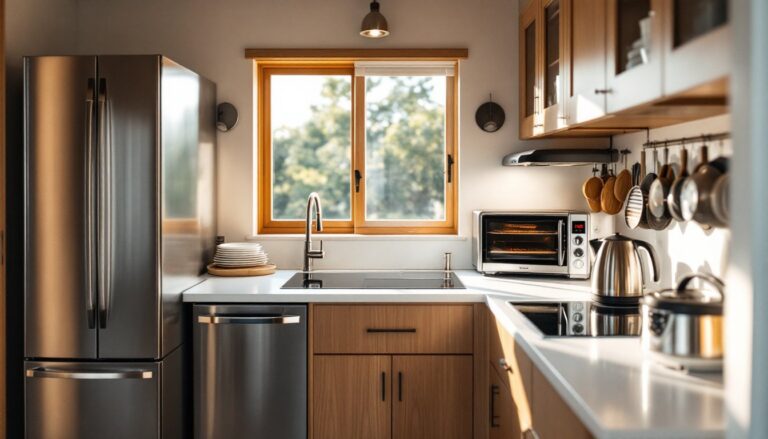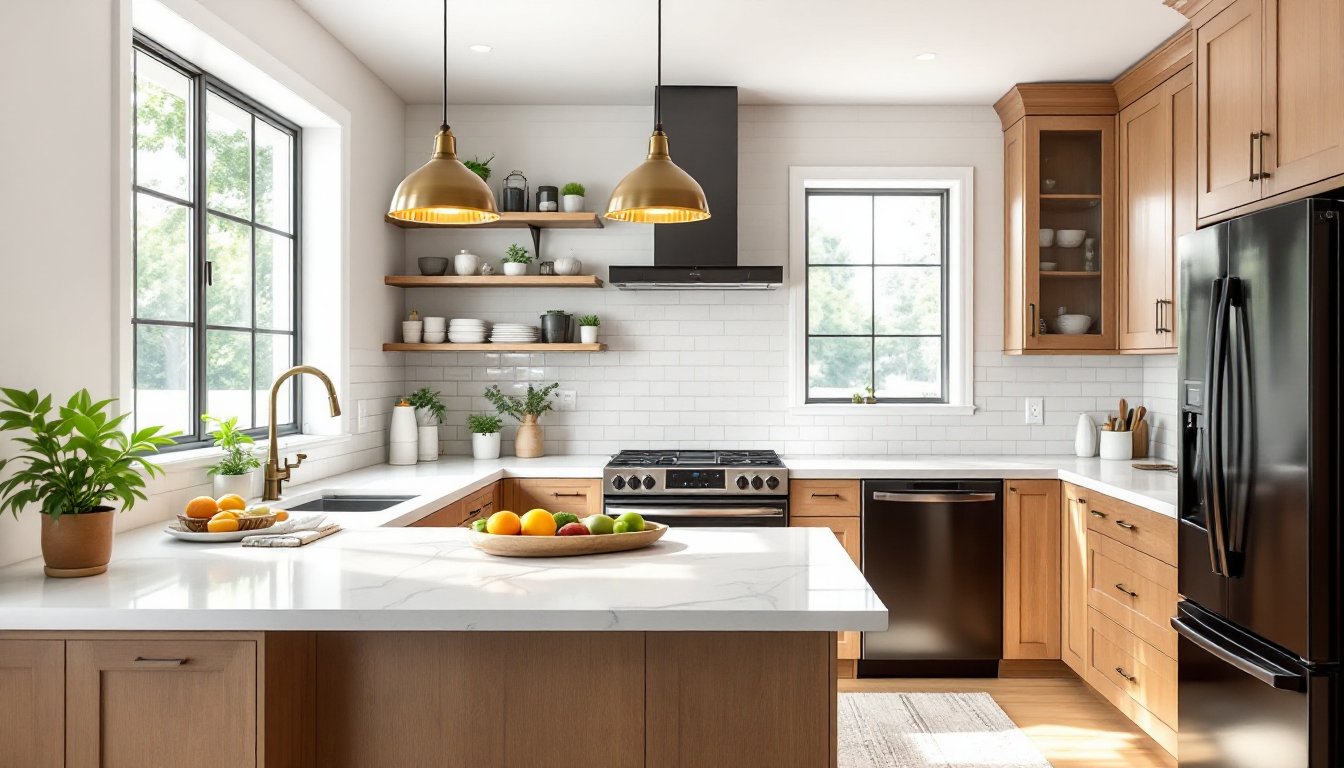
Black appliances have made a serious comeback in modern kitchens, and for good reason, they’re sleek, versatile, and sophisticated. But landing the right kitchen color scheme with black appliances requires more than throwing together whatever paint and materials catch your eye. The colors you choose for walls, cabinets, countertops, and accents will either make those black appliances pop as focal points or blend them into visual chaos. This guide walks you through proven color combinations that work, explains the reasoning behind each approach, and helps you make decisions based on your kitchen’s light, layout, and personal style.
Table of Contents
ToggleKey Takeaways
- Black appliances require strategic color planning because they absorb light and anchor a space visually—choose either a neutral, light palette for clean contrast or a coordinated dark palette for unity.
- Neutral walls in white, light gray, or warm beige are the safest pairing with black appliances, creating clean contrast and making kitchens feel larger while letting appliances shine as design anchors.
- Kitchen color schemes with black appliances work best when cabinet, wall, countertop, and lighting choices feel intentionally coordinated rather than independent—avoid cool tones mixed with warm tones that create visual indecision.
- Warm earth tones like sage green, warm ochre, and soft rust pair surprisingly well with black appliances and natural wood cabinetry, creating inviting and grounded kitchen spaces.
- Under-cabinet task lighting and proper backsplash choices are non-negotiable to prevent black appliances from creating shadows and to add personality without overwhelming the space.
- Test paint samples on large wall sections under different lighting conditions before committing, as dark tones and warm colors can look completely different in morning versus afternoon light.
Why Black Appliances Demand Strategic Color Planning
Black appliances are naturally bold. Unlike stainless steel, which reflects and blends, black absorbs light and anchors a space visually. That means you can’t just slap any color around them and expect harmony. The wrong surrounding colors will make your kitchen feel cramped, dated, or chaotic.
The key is understanding that black appliances work best when they either anchor a neutral, light palette (creating clean contrast) or live within a coordinated dark or warm color story (creating unity). Think of it this way: your black fridge is a strong statement piece that needs either breathing room or intentional companionship. Most kitchen design mistakes happen when homeowners pick cabinets and wall colors independently, without considering how they dialogue with the appliances. Strategic planning prevents that disconnect.
Color temperature also matters. Black appliances have no warm or cool undertone, they’re neutral, so they pair with both warm and cool palettes. But, the surrounding colors must feel intentional. A warm beige wall with cool gray cabinets looks indecisive next to black appliances: a warm beige with warm wood cabinets feels cohesive.
Neutral Backdrops: White, Gray, and Beige Walls
White and light gray walls are the safest, most popular pairing with black appliances. They create clean contrast, maximize light reflection, and make kitchens feel larger. Pure white (like Benjamin Moore’s Simply White or Sherwin-Williams Alabaster) is timeless: it doesn’t date, and it lets black appliances shine as design anchors.
Gray offers more personality while maintaining neutrality. Soft grays (think Benjamin Moore’s Pale Oak or Sherwin-Williams Urbane Bronze in very light values) work beautifully with black appliances and warm wood or white cabinets. Avoid mid-tone grays if your kitchen lacks natural light, they can feel heavy paired with black appliances in dim spaces.
Beige brings warmth without color. Warm, creamy beiges pair well with black appliances, especially when cabinets are white or light natural wood. Cooler, greige (gray-beige) tones work if you want sophisticated neutrality without the starkness of white.
When using neutral walls, layer your visual interest through cabinet color, countertop material, backsplash, and hardware. A white kitchen with black appliances needs a textured backsplash, quality hardware, and rich countertops to avoid looking flat. Neutral walls give black appliances room to breathe, use that space wisely.
Bold & Modern: Dark Tones and Contrast Combinations
Deep charcoal, navy, or even black walls create moody, modern kitchens that make black appliances feel integrated rather than prominent. This approach works best in kitchens with excellent task lighting and adequate natural light, otherwise you’ll feel like you’re cooking in a cave.
A charcoal accent wall (perhaps behind open shelving or the cooking zone) paired with white or very light cabinetry creates striking contrast. The black appliances feel like part of the design family rather than standing out awkwardly. This works because you’re using black strategically in the overall color story.
Navy walls are less severe than charcoal and pair beautifully with white subway tile backsplashes, brass hardware, and light wood or white cabinetry. Navy suggests sophistication without the drama of true black.
For maximum impact, pair dark walls with light cabinetry and light countertops. Black appliances will still read as appliances rather than disappearing into the background. Avoid dark walls, dark cabinets, and black appliances all together, unless your kitchen is exceptionally bright and you’re intentionally creating a very modern, dramatic look. Test paint samples on large sections of wall under your kitchen’s natural light at different times of day before committing. Dark paint looks completely different in morning light versus afternoon shadow.
Warm Earth Tones: Creating Inviting Kitchen Spaces
Warm earth tones, terracotta, sage, warm ochre, and soft rust, are having a real moment, and they work surprisingly well with black appliances. These colors feel organic and grounded, making kitchens feel less sterile than cool neutrals.
Sage green is one of the most forgiving warm tones for black appliances. It’s calming, on-trend, and pairs naturally with natural wood cabinets, black appliances, and warm metal hardware (brass, bronze). A soft sage paired with oak or walnut cabinetry and black appliances feels collected and intentional.
Warm ochre or golden beige walls create a Mediterranean or farmhouse vibe that pairs beautifully with black appliances and natural wood elements. This combo feels less contemporary than neutral schemes but deeply inviting.
Terracotta or warm rust accents (on a single wall, or through cabinetry) add energy and warmth. Pair warm accent tones with lighter neutral walls to avoid overwhelming the space. Remember that warm tones can make kitchens feel smaller, they’re best in larger kitchens or when balanced with plenty of white or light cabinetry. Warm earth tones demand confident lighting choices: avoid cool-toned fluorescent fixtures that will clash with warm wall colors.
Cabinet and Countertop Pairings That Work With Black Appliances
Your cabinet color matters as much as wall color. White or off-white cabinetry is versatile, it works with every wall color mentioned above and keeps the focus on black appliances as design elements. White cabinetry also maximizes perceived light and works in smaller kitchens.
Natural wood cabinetry (oak, maple, walnut) adds warmth and texture. Light to medium wood works well with both neutral and warm wall colors. Walnut is darker and pairs beautifully with gray or warm-toned walls: it creates sophisticated contrast with black appliances. Avoid very dark wood cabinets paired with black appliances in kitchens that lack natural light, you’ll lose all visual separation.
Gray cabinetry has become popular, but choose wisely. Cool grays work with cool wall tones (white, light gray, charcoal): warm grays work better with warm walls. The key is ensuring your cabinets, walls, and appliances feel like a coordinated palette, not three unrelated elements fighting for attention.
Countertops deserve equal consideration. White or light quartz reads clean and modern with black appliances. Dark granite with black flecks creates seamless integration, some designers love this: others find it boring because appliances disappear. Wood countertops (butcher block, live-edge) add organic warmth that pairs beautifully with black appliances and warm cabinetry. Patterns (marble, speckled quartz) add visual interest and prevent the kitchen from feeling flat or one-note when walls, cabinets, and appliances are already prominent design elements.
Lighting, Backsplash, and Accent Colors for Visual Interest
Lighting makes or breaks any kitchen color scheme, especially with black appliances. Under-cabinet task lighting is non-negotiable, it illuminates work surfaces and prevents black appliances from creating shadows. Pendant lights over islands add ambiance and should complement your hardware and cabinet color. Cool-toned LED bulbs (4000K) feel modern and clinical: warm-toned bulbs (2700K) feel inviting. Match your bulb temperature to your overall color story.
Backsplashes are where you inject personality without overwhelming the space. Classic subway tile is timeless with black appliances: metro tile with grout in a contrasting color (dark grout with white tile, or white grout with darker tile) adds subtle interest. Patterned tile, glass, or stone creates visual texture and can echo your wall color or introduce an accent. A backsplash is one of the few places where you can reference a secondary color, perhaps pulling in the warm tone of wood cabinetry or the cool tone of your wall, without it feeling chaotic.
Accent colors live in textiles, hardware, and small accessories. Brass or bronze hardware complements warm wood and warm wall tones: stainless steel hardware works with cool palettes: matte black hardware echoes the appliances but risks feeling monotonous if overused. Bar stools, a kitchen runner, or wall art introduce personality and can repeat accent colors. Some designers add a pop of color through a single accent wall or open shelving behind glass doors, but avoid competing with black appliances by keeping accent colors to small, controlled areas. The best kitchens with black appliances feel unified, not scattered across multiple competing colors.
Conclusion
Choosing kitchen colors with black appliances isn’t about following rigid rules, it’s about understanding contrast, coherence, and balance. Whether you’re drawn to the clean simplicity of whites and grays, the modern drama of dark tones, or the warmth of earth tones, the principle remains: make intentional choices that let your appliances work as part of your overall design story. Paint large sample sections on your walls, live with them for a few days under different lighting conditions, and remember that cabinets and countertops matter equally. When everything aligns, walls, cabinets, countertops, and lighting, black appliances stop being an obstacle and become a sophisticated anchor for a kitchen that looks thoughtfully designed, not accidentally assembled. Take your time with the planning phase: rushing this decision leads to expensive repainting and regret later.