If you’re upgrading your kitchen or simply looking to work smarter in the cooking space you have, KitchenAid small appliances are worth a serious look. These tools live on countertops and in cabinets, doing the heavy lifting for everything from morning coffee to meal prep. Unlike major appliances that require renovations and contractors, small appliances let homeowners and DIY enthusiasts add functionality and style without permits or professional installation. This guide walks you through choosing, integrating, and maintaining KitchenAid small appliances so they earn their space and last for years.
Table of Contents
ToggleKey Takeaways
- KitchenAid small appliances offer durable construction and stylish design that can last 10–20+ years with proper maintenance, making them a worthwhile kitchen investment compared to budget alternatives.
- Prioritize appliances based on your daily cooking habits—measure counter space, consider workflow efficiency, and buy one item at a time to avoid clutter and overspending.
- Proper placement and cord management are essential: keep appliances away from water sources, use vertical storage, and group tools by function to maximize kitchen safety and organization.
- Regular maintenance—including hand-washing removable parts, descaling heating appliances every 3–6 months, and inspecting cords monthly—extends appliance lifespan significantly.
- Read your appliance manual thoroughly to master features like speed settings and pulse functions, which improves results and helps you get full value from your KitchenAid investment.
- Used KitchenAid small appliances can be reliable buys if you verify motor condition, inspect cords, and confirm warranty transfer eligibility.
Understanding The KitchenAid Small Appliance Lineup
KitchenAid has built its reputation on solid construction and purposeful design. The brand offers everything from stand mixers and food processors to toasters, blenders, and coffee makers. What sets them apart from bargain-bin alternatives isn’t just aesthetics: it’s motor durability, heating performance, and components that don’t wear out after a year of normal use.
Popular Models For Every Kitchen Need
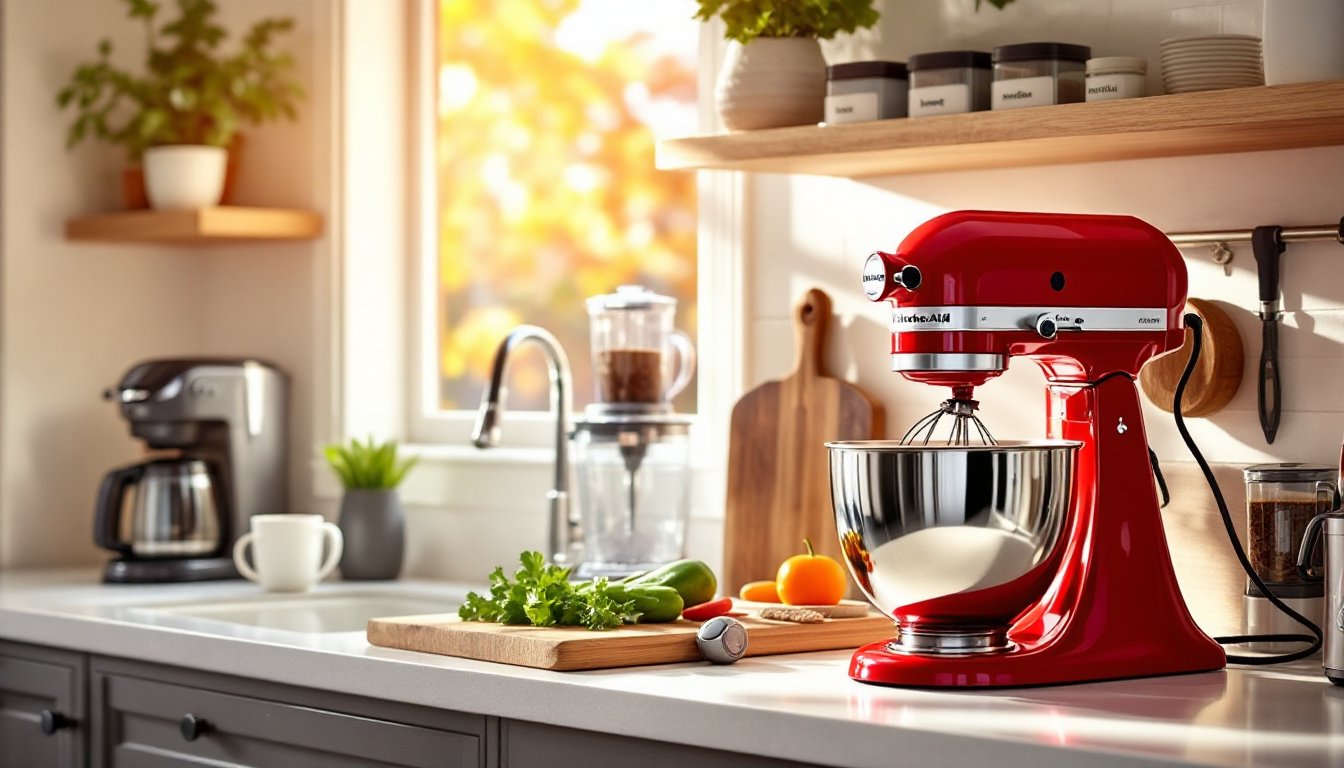
The KitchenAid Stand Mixer remains the workhorse for serious home bakers. Available in 5-quart and 6-quart capacities, these machines handle bread dough, cookie batter, and whipped cream with planetary mixing action (the bowl rotates while the paddle moves through multiple paths). Not a baker? The brand also offers smaller countertop tools: the Cordless Hand Blender reaches into pots and pans for soups, the Coffee Maker brews a full pot with consistent temperature control, and the Food Processor chops, shreds, and dices in seconds.
Each model tier reflects where homeowners are in their cooking journey. Entry-level units handle daily tasks without frills. Mid-range models add precision controls and larger capacities. Professional-grade options (like the NSF-certified models for catering) overkill a home kitchen but exist if you’re serious.
Quality, Design, And Durability Explained
KitchenAid appliances carry thicker metal bodies and quieter motors than competing brands in the same price range. The brushless induction motors in premium models run cooler and longer than older brush-style motors. Heating elements in coffee makers and kettles use stainless steel construction to resist mineral buildup and corrosion.
Design follows form. Colors range from classic white and black to trendy shades like pistachio and hibiscus. Stainless steel finishes resist fingerprints better than painted surfaces but require occasional polishing. Ceramic coating on mixing bowls prevents scratching and flavor transfer. A homeowner choosing KitchenAid commits to appliances that sit visible on the counter, which means they should look intentional, not like an accident.
Durability comes from repairability. KitchenAid publishes repair manuals and sources replacement parts (motors, cords, bowls, and attachments) for machines over a decade old. A 10-year lifespan is realistic for daily-use items, and some owners report 20+ years from stand mixers. Compare that to budget brands that vanish from retailers in three years, and the math shifts toward investment rather than expense.
Choosing The Right Appliance For Your Kitchen Space
Measure your counter space before buying. A stand mixer footprint runs roughly 9 inches wide by 15 inches deep: a food processor takes 8 inches by 10 inches: a coffee maker with thermal carafe might claim 12 inches by 9 inches. Stack vertical space, too: open a cabinet and check headroom for a toaster or blender, you’ll want 2–3 inches of clearance above lid or handle.
Consider workflow. If you brew coffee while unloading the dishwasher, a coffee maker positioned near your mugs and sink saves steps. A food processor belongs near prep zones with cutting boards. A stand mixer can live in a cabinet when not in use (unlike a toaster, which most people keep accessible). Kitchens with limited counter space benefit from appliances that store vertically or nest inside one another.
Budget matters. A quality KitchenAid stand mixer costs $200–$400 new. A coffee maker runs $80–$180. A food processor ranges from $100–$250. Buying all three at once stretches most home improvement budgets. Prioritize: what task do you do daily? Buy that appliance first and add others as your kitchen evolves. Many homeowners find that purchasing appliances for their kitchen aide small appliances needs one at a time prevents clutter and overspending.
Match the appliance to actual use, not Instagram aspirations. If you’ve never made bread, a stand mixer stays unplugged. If you drink instant coffee, a $300 brewer is waste. Honest assessment prevents buyer regret and frees up cabinet space for tools you’ll actually use.
Integrating Small Appliances Into Your Kitchen Layout
Placement strategy prevents clutter and safety hazards. Keep corded appliances away from water sources, a blender near the sink can pose shock risk if water splashes the power cord. Position coffee makers on a stable, level surface near a power outlet with a dedicated circuit if possible (high-draw appliances shouldn’t share circuits with other heavy equipment). A toaster needs at least 12 inches of clearance on sides and back to prevent fire risk.
Use vertical storage. Mounting shelves above counter space or inside upper cabinets holds appliances you use weekly but don’t need daily. Remove the foot pads and store a stand mixer vertically on a shelf, freeing counter real estate. Some homeowners install pull-out cabinet organizers or lazy Susans to rotate appliances in and out of easy reach. This approach, discussed in guides on maximizing your cooking efficiency, keeps kitchens organized while honoring the fact that not every tool earns permanent counter space.
Grouping appliances by function creates visual zones. Coffee maker, grinder, and mugs cluster near the coffee station. Blender, processor, and cutting board anchor the prep zone. Stand mixer lives with baking supplies. This layout reduces backtracking and makes the kitchen feel intentional rather than cluttered.
Cord management is often overlooked but essential. Bundle excess cord with velcro ties or clips. Route cords behind appliances or along the wall, not dangling over edges where they catch feet or curious hands. Keep power cords away from heat sources, a blender cord melting against a stove edge is a fire and shock hazard.
Maintenance And Care Tips For Long-Term Performance
Daily cleaning extends appliance life. Hand-wash removable parts (bowls, blades, attachments) immediately after use, dried batter hardens and corrodes metal. Most KitchenAid bowls, lids, and accessories are dishwasher-safe, but check the manual first. Never submerge the motor base in water: wipe the exterior with a damp cloth only. Dry all parts completely before reassembling or storing.
Address mineral buildup in heating appliances. Hard water leaves deposits inside coffee makers, kettles, and steamers, reducing efficiency and affecting taste. Descale every 3–6 months by running a 50/50 solution of white vinegar and water through a coffee maker’s brew cycle. For kettles, fill halfway with the solution, heat until it boils, let sit for 30 minutes, and scrub the interior. Rinse thoroughly twice with fresh water to remove vinegar smell.
Inspect cords and plugs monthly. Fraying, cracks in insulation, or loose connections signal replacement time. A damaged cord is a shock and fire hazard, buy a replacement cord (they’re inexpensive) rather than risking it. Check that plug prongs aren’t bent or discolored: if they are, the outlet or cord has a problem.
Lubricate moving parts sparingly. Stand mixer attachment hubs sometimes squeak, a tiny drop of food-grade mineral oil on the hub stops noise. Don’t over-oil: excess lubricant attracts dust and gums up gears. The motor itself is sealed and needs no maintenance beyond keeping it clean and dry.
Store appliances in a cool, dry place. Basements with humidity or kitchens near exterior walls prone to condensation damage electronics over time. If you’re storing an appliance long-term, wrap it in a cloth dust cover (not plastic, plastic traps moisture) and stash it in an interior cabinet or closet. Resources like tiny home kitchen appliance guides offer storage solutions for space-conscious homeowners managing multiple small tools.
Getting The Most Value From Your KitchenAid Investment
Warranty coverage typically runs 1–3 years from purchase date for KitchenAid appliances. Extended warranty plans exist but rarely pay off for small appliances (repair costs rarely exceed replacement value). Instead, buy from retailers with solid return policies: 30–90 days gives time to test performance and return defective units.
Learn your appliance inside out. Read the manual, not every feature is obvious. A stand mixer’s speed dial has 10 settings for different tasks: most home bakers only use speeds 1–3. The food processor’s pulse function controls texture better than continuous run. A coffee maker’s brew strength setting adjusts contact time between water and grounds. Mastering these controls improves results without buying upgrades.
Use the right attachments and settings. Experts featured in kitchen design and appliance reviews recommend testing appliances across real cooking tasks before deciding they don’t work for you. A blender that seems weak on ice might perform better at lower speeds with less volume. A food processor that leaves chunks might need smaller batch sizes.
Buy second-hand with caution. Used KitchenAid stand mixers hold value well and often perform flawlessly even after years of use. But, check the motor hum (rough or grinding noises suggest internal wear), inspect cords and plugs, and ask about warranty transfer. A 10-year-old mixer from a careful owner might outlast a new budget blender. Conversley, a heavily used commercial model might be burned out. When purchasing used, verify serial numbers match online registries if available.