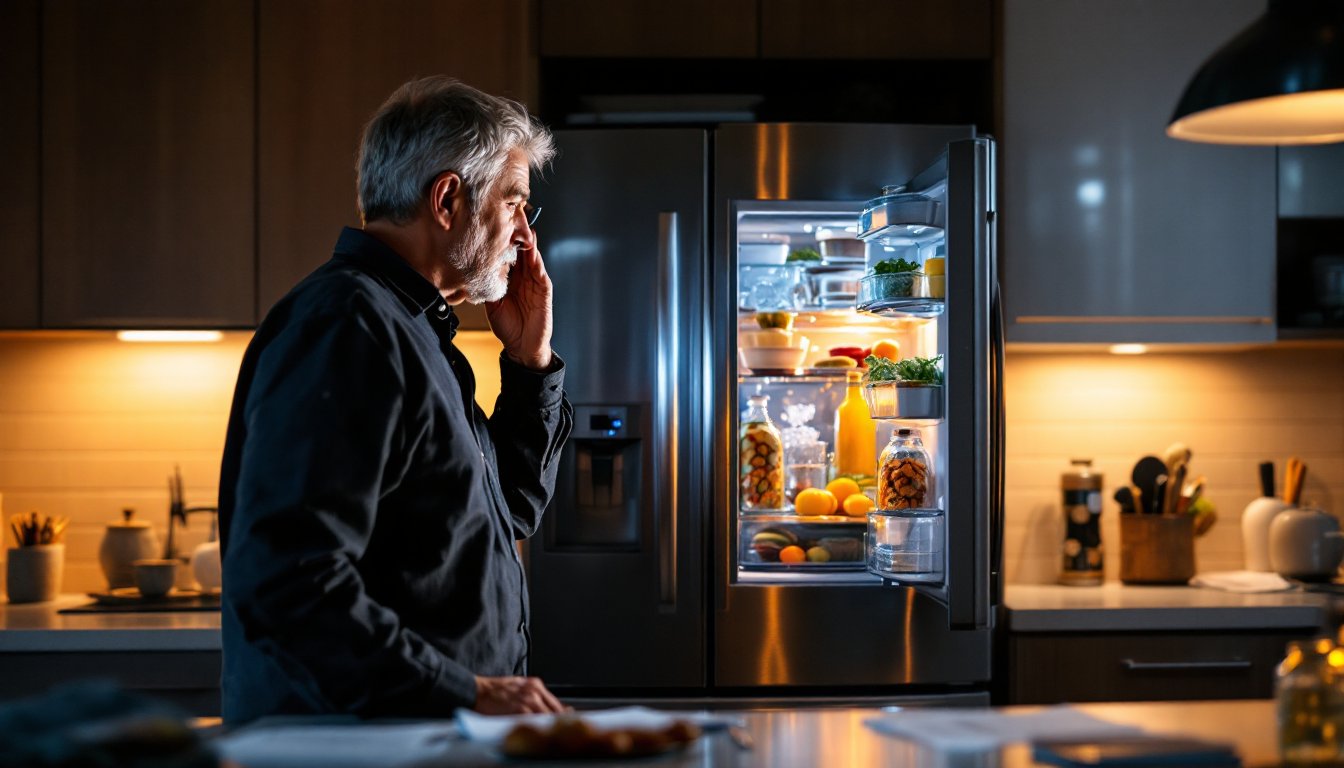
Your refrigerator stops running at 11 p.m. on a Sunday, and you’re staring at a fridge full of thawing food. Before you panic, you might wonder: does homeowners insurance cover a broken refrigerator? The short answer is usually no, but the full picture is more nuanced. Most standard homeowners policies exclude appliance breakdowns because they’re considered maintenance issues rather than covered perils. But, specific scenarios and optional coverage riders can sometimes step in. Understanding what your policy actually covers (and what it doesn’t) can save you thousands in unexpected repair or replacement costs and help you make smarter decisions about protecting your appliances.
Table of Contents
ToggleKey Takeaways
- Most standard homeowners insurance policies do not cover broken refrigerators because mechanical failures are considered maintenance issues, not covered perils, though external damage from lightning, fire, or flooding may qualify for coverage.
- Homeowners insurance only covers appliance damage when it results from a sudden, accidental event—such as a lightning strike or water damage—rather than wear and tear or component degradation.
- Appliance breakdown coverage, home warranty plans, and manufacturer’s extended warranties are optional alternatives to protect your refrigerator from mechanical failures, with costs ranging from $100–$600 annually depending on the plan.
- Regular maintenance like cleaning coils every 6 months, checking door seals, and ensuring proper ventilation can extend your refrigerator’s lifespan by 5+ years and help you avoid costly repairs.
- Installing surge protectors and reviewing your homeowners insurance policy annually ensures you understand what’s covered and can explore optional endorsements that protect against appliance breakdowns.
- Setting aside $100–$200 yearly for appliance replacement is often more cost-effective than purchasing insurance riders and eliminates the hassle of filing claims with your homeowners insurance provider.
What Homeowners Insurance Typically Covers
When Appliance Damage Is Covered Under Standard Policies
Homeowners insurance is designed to protect your home and its structure from sudden, accidental damage caused by specific perils, fire, theft, wind, hail, lightning, and vandalism, among others. Appliances like refrigerators fall into a gray zone because they’re technically part of the home’s contents, but they’re also systems that require regular maintenance.
If your refrigerator is damaged by a covered peril, say, a lightning strike causes an electrical surge that fries the compressor, or a house fire damages it, your policy may cover the loss. The key word is “sudden and accidental.” When you file a claim, the insurer will investigate the cause of failure. If they determine it was external damage from a covered event, you’ll likely have coverage (minus your deductible). But, if the root cause was wear and tear or mechanical breakdown, coverage typically doesn’t apply.
Most homeowners policies also don’t cover the food inside your fridge, though some insurers offer endorsements for food spoilage caused by mechanical failure or power outages. It’s worth asking your agent about this rider, especially if you buy in bulk or have a large family.
Why Most Refrigerator Breakdowns Aren’t Covered
Mechanical Failure vs. Covered Damage: The Key Distinction
The vast majority of refrigerator failures are mechanical failures, and that’s where homeowners insurance draws a hard line. A compressor that stops working after 10 years of use, a thermostat malfunction, a leaking seal, or corroded electrical connections, these are all considered the cost of ownership, not insurable losses.
Insurance companies distinguish between “peril” (the cause of loss, which must be covered under your policy) and “maintenance” (the upkeep you’re responsible for). A refrigerator getting old is maintenance. A refrigerator breaking because a pipe burst and flooded your kitchen, damaging the electrical components, that’s a peril. The difference determines whether your claim gets approved.
One common misconception is that an “open peril” or “all-risk” homeowners policy covers everything except specifically excluded items. That sounds broad, but appliances are typically excluded by name. Even if your policy covers “personal property,” appliance breakdown is almost always carved out. Think of it this way: if insurers covered refrigerator repairs like they cover furniture or electronics, premiums would skyrocket for everyone.
Insurance For Appliances In your home works differently when you add specific endorsements. Some insurers let you purchase appliance breakdown coverage as a rider, which covers mechanical failures, but that’s an optional add-on, not standard coverage.
Coverage Options for Appliance Breakdowns
If your refrigerator is outside the shelter of standard homeowners insurance, you have alternatives.
Appliance Breakdown Coverage (or Mechanical Breakdown Insurance): Available through some homeowners insurers or as a standalone policy, this covers the cost of repair or replacement when an appliance’s mechanical parts fail. It typically costs $100–$400 per year depending on the number and age of appliances covered. The catch: you must purchase it before the appliance breaks. Once an appliance is showing signs of trouble, most insurers won’t cover it retroactively.
Home Warranty Plans: These differ from homeowners insurance. Home warranty plans are service contracts that cover repairs and replacements of major appliances and systems (HVAC, plumbing, electrical). They’re cheaper than appliance insurance (often $300–$600 annually) but come with service call fees ($50–$100) and may exclude certain models or pre-existing conditions. They’re popular when buying a home and are sometimes included in the purchase agreement.
Manufacturer’s Extended Warranty: When you buy a refrigerator, the manufacturer typically includes a warranty covering parts and labor for 1–2 years. Extended warranties can stretch that to 5–10 years. They’re often pricey relative to coverage, but if your fridge is high-end and brand-new, they might be worth considering.
Credit Card Purchase Protection: Some premium credit cards offer purchase protection that covers appliances bought with that card for a certain period. Check your cardholder agreement, you might already have coverage without knowing it.
Each option has different scope and cost-benefit profiles. For a 15-year-old refrigerator, paying for repairs out of pocket might make more sense than insurance. For a brand-new $3,000+ fridge, coverage could be worthwhile.
Steps to Take if Your Refrigerator Breaks Down
When your fridge stops working, here’s how to handle it:
-
Stop and assess the situation. Check if it’s a simple fix, is it plugged in? Is the breaker tripped? Is the thermostat accidentally set too high? Many “broken” fridges are just user error.
-
Document the damage. Take photos and note when the failure occurred. If water is leaking or food is spoiling, this matters for any warranty or insurance claim.
-
Review your policies. Check your homeowners insurance policy and any appliance warranties or add-on coverage you may have purchased. Call your insurer’s claims line and describe the situation. Be honest about whether you think the damage was from a covered peril or mechanical failure.
-
Get a professional diagnosis. A licensed appliance repair technician can pinpoint the cause. If it’s from external damage (like an electrical surge), get that in writing, it strengthens an insurance claim. A diagnosis typically costs $75–$150.
-
File a claim if applicable. If you believe the damage qualifies under your policy, file a claim with your insurer. Provide the repair technician’s report and photos. Be prepared for the claim to be denied if the cause is mechanical failure.
-
Decide on repair vs. replacement. For newer fridges, repair is often cheaper. For older models (7+ years), replacement might be more economical. HomeAdvisor and Angi have cost estimators and contractor reviews to help you compare options and get quotes.
Don’t delay filing a claim if you think you have coverage. Most policies require you to report damage within a specific timeframe.
Protecting Your Appliances: Prevention and Policy Tips
The best strategy is prevention. A little upkeep now can avoid a $1,500 replacement later.
Maintenance essentials: Clean the coils (back or bottom of the fridge) every 6 months to keep the compressor from overheating. Check door seals regularly, a faulty gasket makes the compressor work overtime. Keep the fridge at the manufacturer-recommended temperature (usually 37–40°F). Ensure proper ventilation so heat can escape. These simple habits can add 5+ years to your appliance’s lifespan.
Electrical protection: Install a whole-home surge protector or use power strips with surge protection for high-end appliances. A single power surge from a lightning strike can destroy a refrigerator’s electrical components, and yes, that might be covered by homeowners insurance if the surge is linked to the lightning event. Documentation from an electrician is key.
Review your coverage annually. When you renew your homeowners policy, ask your agent about appliance breakdown coverage or home warranty options. If you’re in an area prone to electrical storms, surge protection becomes more valuable.
Budget for replacement. A standard refrigerator costs $500–$1,200: stainless steel or smart models run $1,500–$3,000+. Setting aside $100–$200 yearly gives you a buffer if an appliance fails unexpectedly. It’s cheaper than most insurance riders and eliminates the claims hassle.
Bottom line: homeowners insurance won’t bail you out of most refrigerator failures, but being proactive about maintenance, understanding your actual coverage, and considering optional endorsements gives you peace of mind and protects your wallet.